

Центр стола искусство украшения застолья
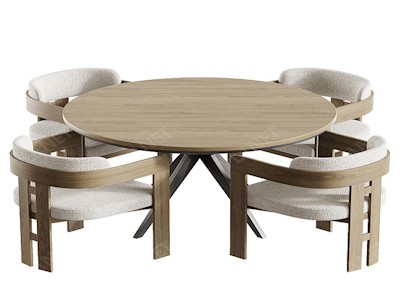
В мире гостеприимства и кулинарного искусства украшение стола играет pivotal роль, превращая обычный прием пищи в незабываемое событие. Центр стола, или композиция, размещенная в его середине, служит не merely decorative элементом, но и символом гармонии, эстетики и внимания к деталям. В этой статье мы погрузимся в глубины этого искусства, исследуя его историю, психологическое воздействие, практические аспекты и современные тенденции, чтобы помочь вам создать идеальную атмосферу для любого застолья.
Исторические корни украшения стола
Украшение стола имеет богатую историю, уходящую корнями в древние цивилизации. В Древнем Египте, например, столы украшались цветами и фруктами как symbols изобилия и благодарности богам. Римляне и греки использовали elaborate композиции из венков и гирлянд для праздничных пиров, подчеркивая свой статус и wealth. В Средневековье европейские дворы развили традицию сервировки, где центр стола often включал серебряные или золотые сосуды, демонстрируя power и роскошь.
Эпоха Возрождения принесла renewed интерес к искусству и эстетике, с tables украшенными intricate цветочными arrangements и художественными элементами. В XIX веке, с rise среднего класса, украшение стола стало more accessible, and книги по этикету, такие как работы Emily Post, популяризировали стандарты for formal dinners. Сегодня, эта традиция evolved to include personal expression and sustainability, отражая changing values общества.
Психология и эмоциональное воздействие центра стола
Центр стола не just pleasing to the eye; it has a profound psychological impact on guests. Studies in environmental psychology show that a well-decorated table can enhance mood, reduce stress, and foster social interaction. The use of natural elements like flowers can evoke feelings of calm and happiness, while colors and shapes can stimulate conversation and creativity.
For instance, warm colors like red and orange are known to increase appetite and energy, making them ideal for festive gatherings. In contrast, cool tones like blue and green promote relaxation, suitable for intimate dinners. The symmetry or asymmetry of the centerpiece can also influence perceptions of balance and order, contributing to a sense of well-being.
Moreover, a thoughtfully designed center table acts as a focal point that guides the flow of the event, helping to break the ice among guests and creating a shared experience. It signals the host's care and effort, which in turn makes guests feel valued and welcomed, strengthening relationships and memories.
Практические советы по созданию идеального центра стола
Creating a stunning center table requires attention to detail and creativity. Start by considering the occasion: a wedding might call for elegant floral arrangements, while a casual brunch could feature a rustic basket of fruits. Choose a theme that complements the overall decor, such as seasonal motifs (e.g., autumn leaves for fall) or cultural elements.
Select materials that are durable and appropriate for the setting. Fresh flowers are classic but may wilt; alternatives like silk flowers, candles, or even edible decorations like cheese boards can be effective. Ensure the height of the centerpiece allows for easy conversation across the table—typically, keep it under 12 inches to avoid obstructing views.
Incorporate layers and textures for visual interest. Combine elements like tall candlesticks with low bowls of fruit or greenery. Use a color palette that harmonizes with the tableware and room decor. For example, a monochromatic scheme can create sophistication, while contrasting colors add vibrancy.
Don't forget practicality: avoid overly fragrant flowers that might overpower food aromas, and ensure the centerpiece is stable to prevent accidents. Finally, personalize it with items that reflect the host's personality or the event's purpose, such as family heirlooms or themed props.
Современные тенденции в украшении застолья
Modern table decoration trends emphasize minimalism, sustainability, and personalization. There's a growing preference for eco-friendly materials, such as reusable decor items, locally sourced flowers, and upcycled elements. Minimalist designs with clean lines and neutral colors are popular for their timeless appeal and ability to highlight the food.
Interactive centerpieces are on the rise, where guests can engage with the decor, like DIY herb gardens or dessert stations incorporated into the table setup. Technology is also making its way in, with LED lights or digital displays adding a contemporary twist.
Cultural fusion is another trend, blending traditional elements from different cultures to create unique and inclusive settings. For example, combining Japanese ikebana with Western floral arrangements can result in a harmonious and innovative centerpiece.
Overall, the focus is on creating experiences rather than just visuals, with an emphasis on authenticity and mindfulness. This shift reflects broader societal values towards sustainability and connection.
Заключение: искусство как выражение заботы
Украшение центра стола — это больше, чем просто декоративная задача; это искусство, которое выражает заботу, creativity и уважение к гостям. От древних традиций до современных innovation, оно продолжает evolve, обогащая наши застолья и создавая lasting впечатления. Пусть эта статья вдохновит вас на эксперименты и превращение каждого приема пищи в masterpiece эстетики и гостеприимства.
Remember, the best centerpieces are those that reflect your unique style and the joy of sharing moments with others. Happy decorating!